How to check a new makhana supplier before your first order
By Veltrix Exports · 3 min read
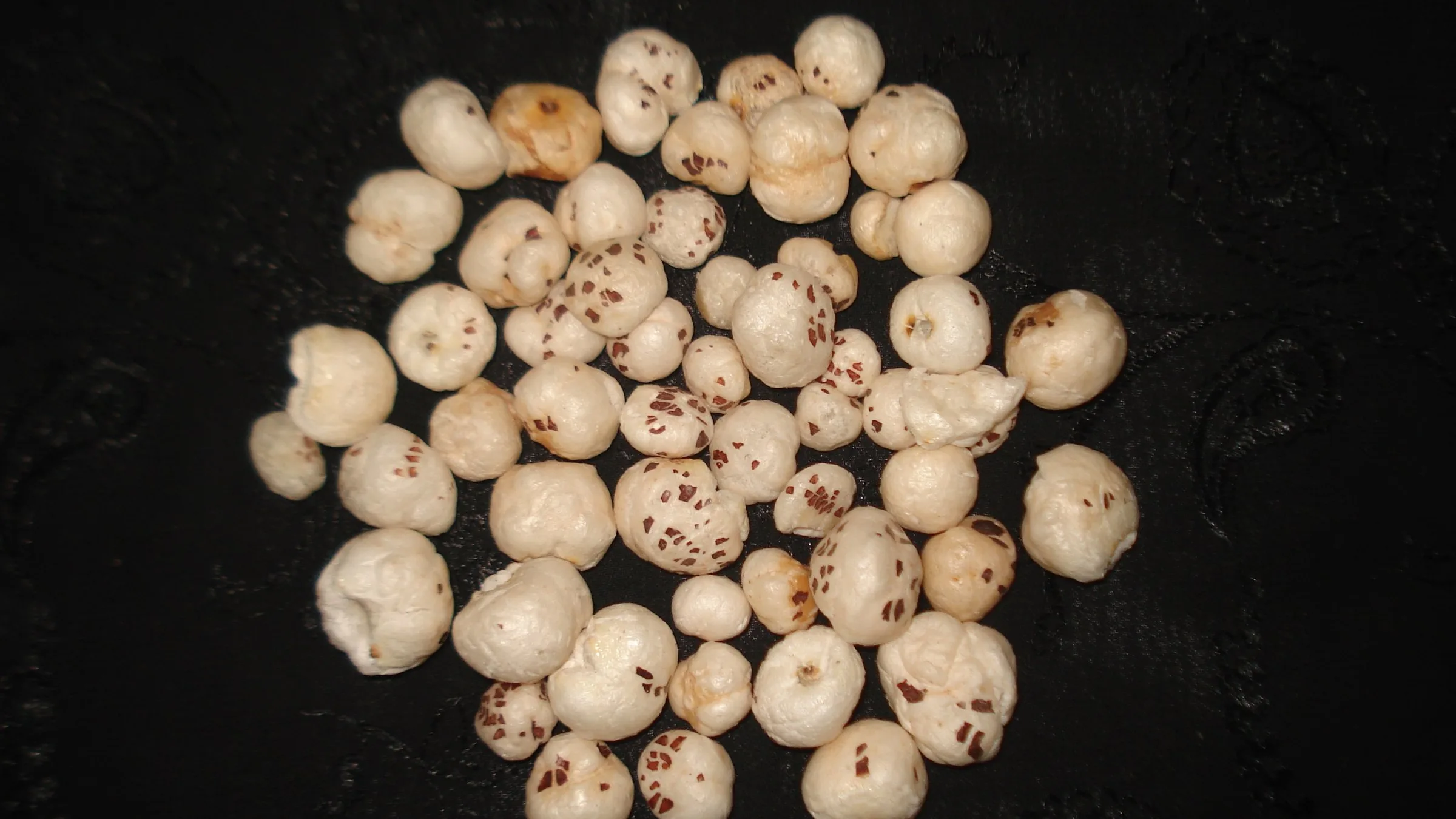
Makhana exports from India have grown fast, and so has the number of new suppliers, including small new exporters like us. Size alone does not tell you who is reliable. Here is the checklist we would use if we were buying from us.
1. Check the registrations yourself
Before it ships anything or takes payment, every genuine makhana exporter in India must hold these. A new exporter may still be registering, which is fine, as long as it tells you so and does not ask for payment until they are issued:
- GSTIN, which you can check on the public GST portal (Search Taxpayer). It should show "Active".
- IEC (Importer-Exporter Code), issued by DGFT.
- APEDA RCMC, the export registration for makhana and other scheduled food products.
- FSSAI licence, which you can check on the FoSCoS portal.
The legal name and address should match on all of them, and on the invoice.
2. Ask for a sample from the actual lot
A showroom sample tells you what the supplier can find. A sample from the lot you will receive tells you what you will get. Ask which it is.
3. Check the grade yourself
Makhana is priced by size (suta), and grade misdescription is the most common problem in this trade. Take 20 kernels at random from the sample and measure them: PREMIUM (6 suta) should be about 19–22 mm across. Check colour, brown skin, and the share of broken or unpopped kernels. Ask for the grade to be written on the proforma invoice.
4. Ask for the lab certificate, and read it
It should come from an accredited laboratory (NABL, ISO 17025) and name the lot. For the EU, check it against the makhana specification in Regulation (EU) 2023/652: moisture under 5.0%, aflatoxin B1 under 2.0 µg/kg and total aflatoxins under 4.0 µg/kg, Salmonella absent, and the heavy-metal limits.
5. Ask how it is packed
Makhana goes soft if it absorbs moisture. Ask for food-grade liners with a moisture barrier, nitrogen flushing, 5-ply cartons, and the packing date and batch code on every carton.
6. Check who you are paying
The bank account should be in the company's name, never a personal account. Be suspicious of any email that changes bank details; confirm by phone or WhatsApp.
7. Understand the payment terms
New exporters often ask for advance payment on first orders, because they buy the goods against your order. That is normal. What protects you is everything around it: the lot sample, the lab certificate, photos of the packed lot, a retention sample, and, for larger orders, a Letter of Credit or third-party inspection.
8. Ask about the GI name
"Mithila Makhana" is a registered Geographical Indication. Only registered authorised users may use the name or logo on packs. If a supplier offers GI-labelled packs, ask for their authorised-user registration.
9. Talk to a person
A video call with the founders or export manager tells you a lot. So does how quickly and precisely they answer questions about grades, moisture and packing.
10. Start small
A trial lot costs you little and tells you almost everything: product quality, packing, paperwork and communication. A good supplier will welcome it.
We publish our own registration status and how to verify it on our Verify Us page.